Source Home Appliance Temperature Fuse for Kettles, Dryers, Ovens
Find 30 home appliance temperature fuse options from Guangdong suppliers. Buyers can compare rated voltages, temperature ranges, and certifications like UL and CE for kitchen and laundry equipment.
Key considerations
Products List


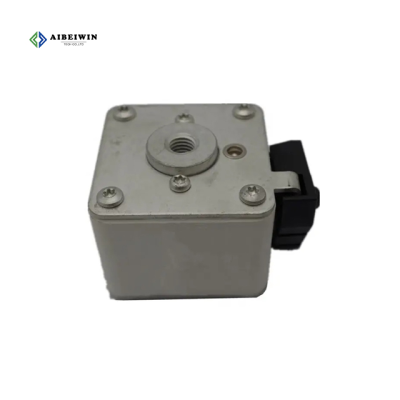
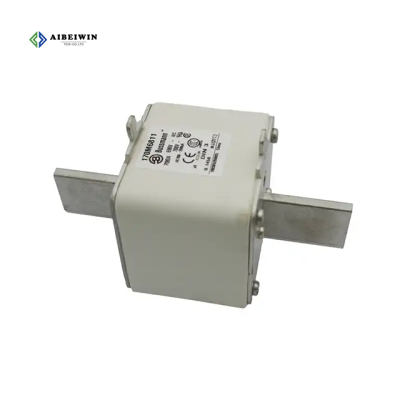

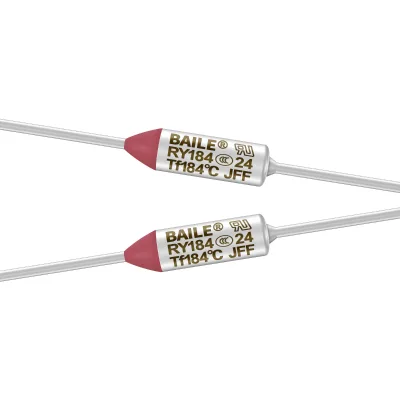

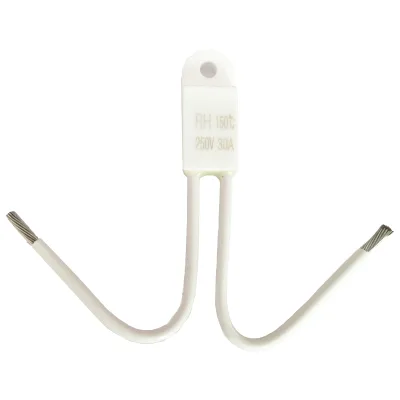
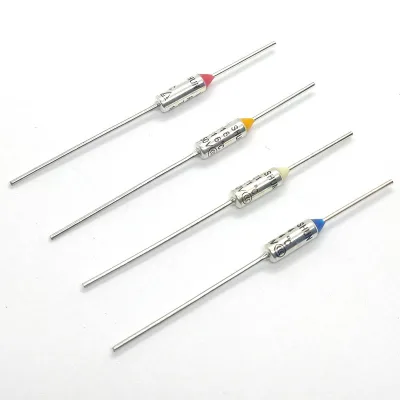
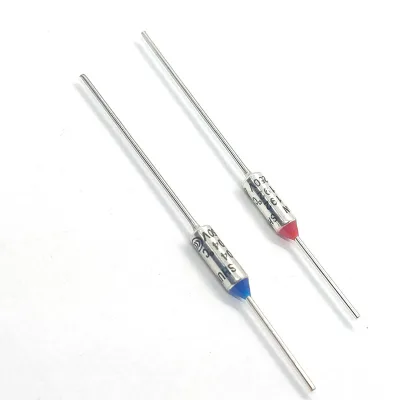


Comprehensive Sourcing Guide
Strategic Sourcing Guide for Home Appliance Temperature Fuses
Understanding Technical Specifications and Operational Parameters
When sourcing temperature fuses for home appliance applications, buyers must first establish a clear understanding of the technical parameters that define product suitability. The core function of a temperature fuse is to interrupt an electrical circuit when a specific temperature threshold is reached, thereby preventing overheating and potential fire hazards. In the context of home appliances, these components are critical for safety compliance and operational reliability.
The rated voltage and current capacity are primary selection criteria. Available data indicates that specific models operate at 250V AC with a 10A load, while others are rated for 250V DC. Current ratings can vary significantly, with some units supporting 1A or 3A, and others designed for higher capacities up to 40A. It is essential to match the fuse's rated load precisely to the appliance's maximum operating current to ensure the device trips only under fault conditions and not during normal operation.
Temperature ratings are equally critical. The operational range for these fuses typically spans from 70°C to 260°C, with specific discrete ratings observed in the market such as 115°C to 150°C or 76°C to 160°C. Selecting a fuse with a temperature rating that aligns with the thermal profile of the specific appliance component is vital. For instance, a fuse rated for 115°C may be suitable for a motor winding, whereas a higher rating might be required for a heating element enclosure.
The physical construction and material composition also influence performance. The main body of these fuses is often constructed from a combination of plastic, ceramic, and metal materials. The choice of material affects thermal conductivity, mechanical strength, and resistance to environmental factors. Additionally, the fusing speed is a key attribute; some products are characterized by a "F" speed rating, indicating a specific response time to thermal overload. The mounting type is predominantly through-hole, which dictates the PCB or chassis integration method. Buyers should verify that the physical dimensions and mounting style are compatible with their existing assembly lines.
Compliance, Certification, and Safety Standards
Compliance with international safety standards is non-negotiable for home appliance manufacturers. The supply chain must provide evidence that the temperature fuses meet rigorous safety requirements. Several certifications are frequently observed in the market, including CE, ISOCCC, CB, and RoHS. These certifications indicate that the product adheres to specific health, safety, and environmental protection standards.
The UL standard is another critical benchmark. Products listed with UL certification have undergone testing to meet specific safety criteria relevant to the North American market. Furthermore, some suppliers provide certificates from ISO, KEMA, and CNAS, which validate the manufacturing process and product quality against international norms. It is important to note that while some background knowledge references IEC 60335, buyers must verify if the specific product batch carries this standard explicitly, as it applies to household and similar electrical appliances.
Buyers should request valid certification documents directly from the supplier before placing an order. The presence of a certification mark on the product packaging or the component itself is a strong indicator of compliance, but it should be cross-referenced with the official certificate database. RoHS compliance is particularly relevant for ensuring the product is free from hazardous substances, which is a legal requirement in many jurisdictions.
Cost Drivers and Pricing Dynamics
The cost of temperature fuses is influenced by a complex interplay of factors, including material composition, certification levels, and order volume. The observed price range in the market spans from $0.05 to $51 per unit. This wide variance suggests that price is not solely a function of the component's basic function but is heavily dependent on specific attributes such as custom design, higher current ratings, or specialized certifications.
Material costs play a significant role. Fuses constructed with high-grade ceramics or specialized metal alloys may command a higher price point compared to those using standard plastic and copper combinations. Customization is a major cost driver; products labeled as "Customized" or featuring "Customized Design" capabilities often carry a premium due to the engineering and tooling required.
Order volume is another critical determinant of unit cost. The Minimum Order Quantity (MOQ) varies widely, ranging from as low as 1 unit to as high as 5000 units. Suppliers often offer tiered pricing structures where the unit cost decreases significantly as the order volume increases. For small-batch prototyping, buyers may face higher per-unit costs, whereas large-scale production runs can leverage economies of scale to reduce expenses.
Packaging requirements also impact the final cost. Standard packaging options include 1000 pieces per box, per carton, or per PE bag. Customized packaging solutions, while convenient for specific logistics needs, may incur additional charges. Buyers should evaluate the total cost of ownership, including packaging, shipping, and potential customs duties, rather than focusing solely on the unit price.
Typical Applications and Usage Scenarios
Temperature fuses are integral to the safety architecture of a wide range of home appliances. Their primary application is in low-voltage systems, where they protect against thermal runaway in motors, heating elements, and transformers. The specific usage category is often defined as "Low Voltage," distinguishing them from high-voltage industrial fuses.
Common applications include electric kettles, coffee makers, irons, and hair dryers, where heating elements are prone to overheating if the thermostat fails. In these devices, the fuse acts as a secondary safety mechanism, cutting power if the temperature exceeds a safe limit. Similarly, in washing machines and dryers, temperature fuses protect the motor and heating circuits from damage caused by blockages or mechanical failures.
The data also indicates applications in high-voltage contexts, such as distribution lines, though this is less common for standard home appliances. For home appliance sourcing, the focus remains on low-voltage, low-breaking capacity fuses. The breaking capacity is generally observed as "Low," which is sufficient for the internal circuit protection of consumer electronics. However, for appliances connected to the main power grid, the fuse must be capable of handling the specific fault currents expected in the household environment.
Supplier Evaluation and Sourcing Strategy
Evaluating suppliers requires a systematic approach that goes beyond price comparison. The geographic origin of the product is a key factor; many suppliers are located in Guangdong, China, specifically in Dongguan, a hub for electronic manufacturing. While this region offers competitive pricing and established supply chains, buyers must verify the supplier's ability to maintain consistent quality over time.
Lead times are another critical consideration. Observed lead times range from 1 to 2 weeks, which is relatively short but can vary based on customization requirements. Suppliers offering "Customized Design" services may require longer lead times for tooling and prototyping. Buyers should confirm the estimated delivery schedule before committing to an order to avoid production delays.
The supplier's capacity for customization is a significant advantage. Many suppliers offer flexible options for temperature ratings, current ratings, and packaging. This flexibility allows buyers to tailor the fuse to their specific appliance design without needing to compromise on performance. However, buyers should ensure that the customization process is well-documented and that the final product undergoes the same rigorous testing as standard items.
Quality Control and Verification Protocols
Implementing a robust quality control (QC) protocol is essential to mitigate the risks associated with component failure. Buyers should establish clear acceptance criteria based on the technical specifications provided. This includes verifying the temperature rating, current capacity, and physical dimensions against the product datasheet.
Sampling is a standard practice in QC. Given the observed MOQs, buyers can often request samples for testing before committing to a large order. These samples should be subjected to thermal cycling tests to ensure the fuse trips at the correct temperature and does not exhibit signs of degradation over time. Visual inspection of the packaging and labeling is also necessary to confirm the presence of required certifications and correct model numbers.
Documentation is a crucial part of the QC process. Suppliers should provide test reports, material safety data sheets (MSDS), and certificates of conformity. For products claiming RoHS compliance, a test report from an accredited laboratory is often required. Buyers should also verify the consistency of the production batch by checking for variations in material composition or packaging quality.
Long-Term Procurement and Supply Chain Resilience
Long-term procurement strategies for temperature fuses must account for supply chain stability and product lifecycle management. The availability of the product is paramount; buyers should assess the supplier's ability to maintain production continuity over several years. This includes evaluating the supplier's raw material sourcing and their contingency plans for supply disruptions.
Product obsolescence is a risk in the electronics industry. Buyers should inquire about the supplier's policy on product lifecycle management and whether they offer alternatives or upgrades if a specific model is discontinued. Maintaining a relationship with a supplier that offers "Customized Design" capabilities can provide a buffer against obsolescence, as the supplier can adapt the product to changing requirements.
Sustainability is becoming an increasingly important factor in procurement. Buyers should prioritize suppliers who demonstrate a commitment to environmental responsibility, such as those with RoHS compliance and efficient manufacturing processes. The use of recyclable packaging materials and energy-efficient production methods can contribute to a more sustainable supply chain.
In conclusion, sourcing temperature fuses for home appliances requires a balanced approach that considers technical specifications, compliance, cost, and supplier reliability. By adhering to a structured evaluation process and maintaining clear communication with suppliers, buyers can secure high-quality components that ensure the safety and performance of their products. The wide range of available options, from standard to customized designs, provides flexibility to meet diverse application needs while maintaining strict adherence to safety standards.
FAQs
What temperature ratings are available for home appliance temperature fuses?
Available temperature ratings typically range from 70°C to 260°C, with specific discrete options like 115°C to 150°C or 76°C to 160°C. Buyers must match the fuse rating to the specific thermal profile of their appliance component to ensure safety.
Which certifications should home appliance temperature fuses possess?
Products should carry certifications such as CE, ISOCCC, CB, RoHS, and UL to ensure compliance with safety standards. Additional validation may come from ISO, KEMA, and CNAS certificates, which confirm adherence to international manufacturing norms.
Can I find home appliance temperature fuses with customized designs?
Yes, customized designs are available for temperature fuses to meet specific engineering requirements. Suppliers offer flexibility in temperature ratings, current capacities, and packaging, though customization may impact lead times and unit costs compared to standard items.
What is the typical lead time for sourcing these fuses?
The typical lead time ranges from 1 to 2 weeks for standard orders. Customized design requests may require longer periods due to the necessary tooling and prototyping steps involved in the manufacturing process.
How does the minimum order quantity affect pricing for these fuses?
Minimum order quantities vary from 1 to 5000 units, directly influencing the unit price. Higher order volumes generally leverage economies of scale to reduce costs, while small batches for prototyping often incur higher per-unit expenses.
What materials are used to construct home appliance temperature fuses?
The main body is constructed from combinations of plastic, ceramic, and metal materials like copper. These materials determine thermal conductivity, mechanical strength, and resistance to environmental factors within the appliance.
Where are the primary manufacturing locations for these components?
Primary manufacturing locations are in Guangdong, China, with specific hubs in Dongguan. This region offers competitive pricing and established supply chains for electronic components, though buyers must verify consistent quality over time.